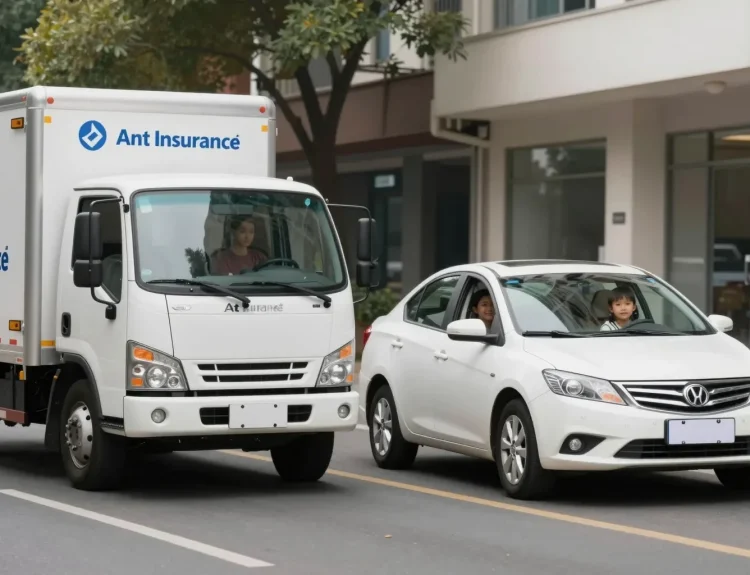
Auto insurance is a requirement for drivers in most jurisdictions, serving as a safeguard against the financial repercussions of accidents and other incidents on the road․ However, not all drivers fit the mold of a “standard” policyholder․ This is where non-standard auto insurance comes into play, providing coverage options for high-risk drivers who may not qualify for traditional insurance policies․
Understanding Non-Standard Auto Insurance
Non-standard auto insurance is designed to meet the needs of drivers who present a higher risk to insurance companies․ These drivers may have a less-than-perfect driving record, a history of accidents, or other factors that make them ineligible for standard policies․ Specialized insurers offer these policies, catering to a niche market within the broader insurance market․
High-Risk Drivers
High-risk drivers include individuals with multiple traffic violations, DUI convictions, or several at-fault accidents․ Young or inexperienced drivers may also fall into this category due to the increased likelihood of accidents․ Non-standard policies are also available for drivers with poor credit scores or those who have had insurance lapses․
Coverage Options and Policy Exclusions
Non-standard auto insurance policies offer various coverage options, similar to standard policies․ These include liability coverage, collision, comprehensive, and more․ However, the liability limits may be lower, and there might be specific policy exclusions due to the higher risk involved․ It is crucial for policyholders to understand these limitations to ensure adequate coverage․
Determining Premiums and Risk Assessment
Premium rates for non-standard auto insurance are typically higher than those for standard policies, reflecting the increased risk․ The process of underwriting involves a detailed risk assessment, considering factors like the driver’s accident history, credit score, and overall driving behavior․ Insurance regulations may also influence premium calculations and policy offerings․
Underwriting and Eligibility Criteria
The underwriting process for non-standard policies is more rigorous, with eligibility criteria that differ from standard insurance․ Insurers assess the driver’s background extensively to determine the appropriate coverage and premium․ This assessment helps in crafting customized coverage that suits the policyholder’s specific needs while ensuring the insurer’s financial responsibility․
The Role of Specialized Insurers
Specialized insurers play a crucial role in the non-standard auto insurance market․ They provide tailored solutions for high-risk drivers who might otherwise be unable to secure necessary coverage․ These insurers understand the unique challenges faced by such drivers and offer policies that reflect the associated risks․
Impact on the Insurance Market
The presence of non-standard auto insurance expands the insurance market by including drivers who might otherwise be excluded․ This inclusion ensures that more drivers can meet the legal requirements for financial responsibility while on the road, contributing to overall road safety and reducing the financial burden on uninsured parties involved in accidents․
Whether you fall into the high-risk category or are simply curious about the options available, exploring non-standard auto insurance can provide insights into how insurance companies manage risk and cater to diverse driver profiles․ This specialized area of the insurance market ensures that all drivers have access to necessary coverage, promoting safer driving conditions and fulfilling legal obligations․