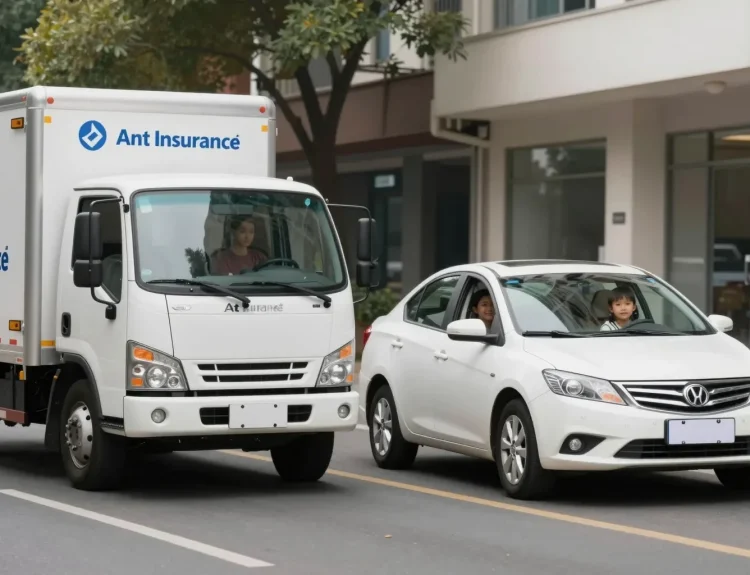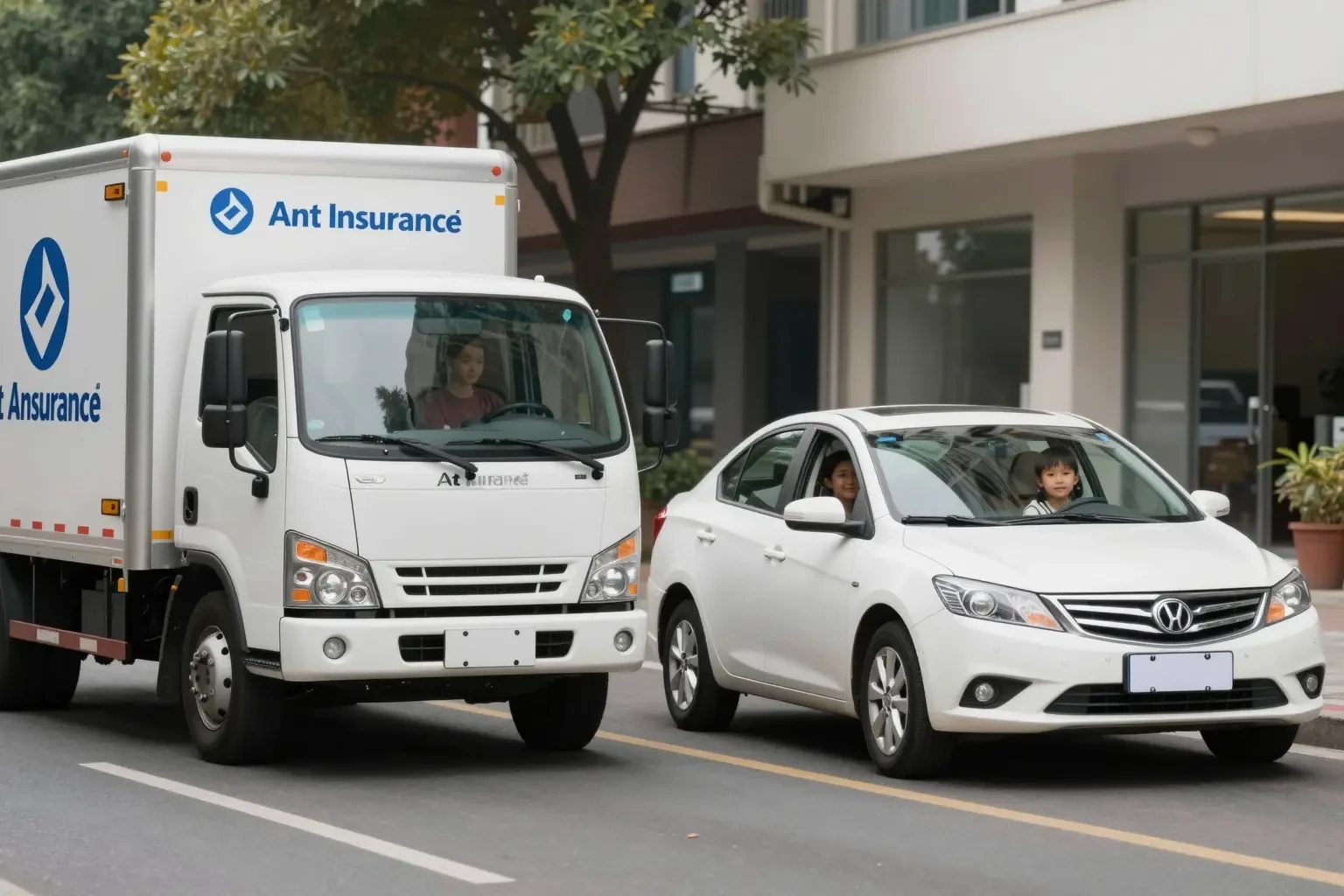
Auto insurance is an essential aspect of vehicle ownership, providing protection against potential losses arising from accidents or other unforeseen incidents. However, different types of auto insurance are designed to cater to distinct needs, primarily divided into commercial and personal auto insurance. Understanding the differences between these two can help determine the appropriate coverage based on your specific requirements, whether for business use or personal use.
Coverage
The most significant difference lies in the coverage provided by commercial and personal auto insurance policies. Commercial auto insurance is tailored to cover vehicles used for business purposes, including fleet vehicles and those driven by employees. This type of insurance typically offers higher liability limits and includes additional coverage options such as hired and non-owned auto coverage, which protects the business if an employee drives their own vehicle for work purposes.
In contrast, personal auto insurance is designed for individuals who use their vehicles primarily for personal, non-business activities. The coverage limits are generally lower, focusing on protecting the policyholder and their family in the event of an accident. While both types of insurance cover liability, personal auto insurance may not provide sufficient protection for business-related incidents.
Liability
Both insurance types address liability, but commercial policies often offer more extensive liability coverage due to the increased risks associated with business operations. The potential for higher claims and damages in a business context necessitates broader liability limits, ensuring adequate protection for the business and its assets.
Premiums
Premiums for commercial auto insurance are generally higher than those for personal auto insurance. This difference is due to the increased risk exposure associated with business use, including greater vehicle usage, multiple drivers, and the potential for transporting goods or clients. The insurance company calculates premiums based on these factors, as well as the type of vehicle, its use, and the history of claims.
Policyholder and Business Use
In commercial auto insurance, the policyholder is often a business entity, and the policy covers vehicles used for business use. This coverage is essential for companies that rely on vehicles for operations, such as delivery services or transportation companies. Conversely, personal auto insurance policies are held by individuals and are restricted to personal use, covering the vehicle’s owner and their family members.
Deductibles
Both commercial and personal auto insurance policies include deductibles, which are the amounts the policyholder must pay out-of-pocket before the insurance coverage kicks in. In commercial policies, deductibles may be higher due to the increased risk and potential for larger claims. The deductible amount can influence the cost of the premium, with higher deductibles often resulting in lower premium rates.
Fleet Vehicles and Claims
Commercial auto insurance is particularly important for businesses that operate fleet vehicles. Fleet coverage allows companies to insure multiple vehicles under a single policy, streamlining management and potentially reducing costs. The process for handling claims may also differ, with commercial insurers focusing on minimizing downtime and ensuring business continuity.
Underwriting and Exclusions
The underwriting process for commercial auto insurance is more complex, taking into account the nature of the business, the types of vehicles, and the drivers involved. Exclusions may also differ, with commercial policies often excluding coverage for personal use of business vehicles. It’s crucial for businesses to understand these exclusions to avoid gaps in coverage.
Risk Assessment and Legal Requirements
Insurance providers conduct risk assessments to determine the appropriate coverage and premiums for both commercial and personal policies. The assessment considers factors such as driving history, vehicle type, and usage patterns. Additionally, legal requirements may dictate minimum coverage levels for both policy types, ensuring compliance and adequate protection.
Protection and Benefits
Both types of insurance offer essential protection and benefits, tailored to the needs of the policyholder. Commercial auto insurance provides comprehensive coverage for business-related vehicles, safeguarding the company against potential losses. Personal auto insurance, on the other hand, ensures that individuals and their families are protected during personal vehicle use.
Accident and Vehicles
In the event of an accident, having the right type of auto insurance is crucial. Commercial policies are designed to handle the complexities of accidents involving business vehicles, while personal policies focus on protecting private vehicle owners. Choosing the appropriate coverage ensures that the policyholder is adequately protected, regardless of the circumstances.
Driver Considerations
The driver plays a significant role in determining the appropriate insurance coverage. For commercial policies, multiple drivers may need coverage, including employees and contractors. Personal policies typically cover only the vehicle owner and immediate family members. Ensuring accurate information about drivers helps optimize coverage and manage costs.
Insurance Company and Cost
Choosing the right insurance company can impact the cost and quality of coverage. It’s essential to compare different providers, considering factors such as reputation, customer service, and claims handling efficiency. Businesses and individuals should select a company that aligns with their specific needs and offers competitive pricing.
In summary, understanding the differences between commercial and personal auto insurance is crucial for selecting the right coverage. Key distinctions include the scope of coverage, liability limits, premiums, and the intended use of the vehicle. By evaluating these factors and considering the specific needs of the policyholder, both businesses and individuals can ensure they have the necessary protection in place.