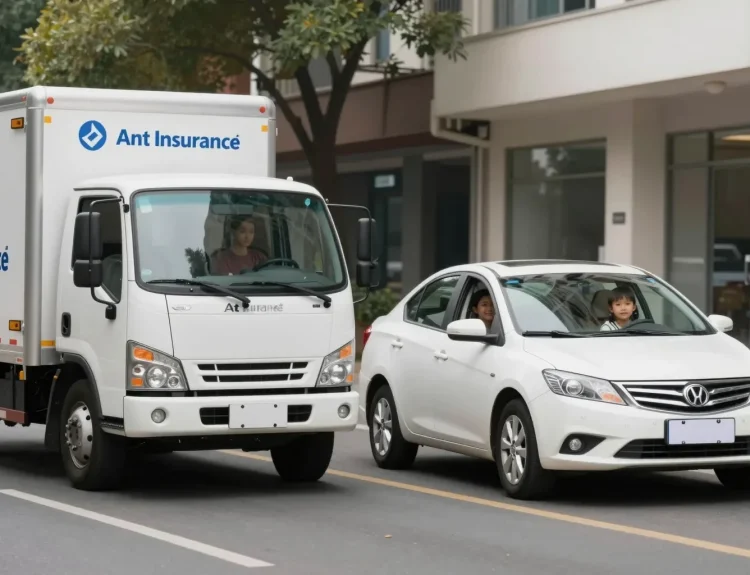
Auto insurance is a crucial aspect of financial responsibility for vehicle owners. It provides coverage for various incidents, including accidents and damages. However, when it comes to drunk driving, the situation becomes complex. This article explores whether auto insurance covers drunk driving accidents and delves into related aspects such as liability, claims, and legal consequences.
Understanding Auto Insurance Coverage
Auto insurance policies typically include several types of coverage to protect drivers and their vehicles. Key components include:
- Liability Coverage: This covers damages or injuries to others if you’re at fault in an accident.
- Collision Coverage: Pays for damages to your car resulting from a collision, regardless of fault.
- Comprehensive Coverage: Covers non-collision-related incidents such as theft or natural disasters.
- Personal Injury Protection (PIP): Provides coverage for medical expenses and lost wages.
These coverages are designed to protect you financially in the event of an accident, but how do they apply to drunk driving scenarios?
Drunk Driving and Auto Insurance Policies
Drunk driving is a serious offense with significant legal consequences. When it comes to auto insurance, the impact of a DUI (Driving Under the Influence) can be severe. Here’s how:
Insurance Exclusions for Drunk Driving
Many auto insurance policies contain exclusions for illegal activities, including drunk driving. This means that if you’re involved in an accident while under the influence, the insurer may refuse to cover the damages. This exclusion is based on the increased risk associated with intoxicated driving.
Liability and Fault Determination
In a drunk driving accident, determining fault is crucial. If you are found at fault, your liability coverage may not apply due to policy exclusions. This leaves you personally responsible for any damages or injuries caused.
Claims and Legal Consequences
Filing an insurance claim after a drunk driving accident is complicated. If your insurer determines that you were driving under the influence, they may deny your claim. This denial extends to both liability and collision coverage, leaving you to cover the costs out-of-pocket.
Beyond insurance claims, drunk driving carries significant legal fees and consequences. These may include fines, license suspension, and even imprisonment. Additionally, a DUI conviction can lead to increased insurance premiums, as insurers view you as a high-risk driver.
Underwriting and Risk Assessment
Insurers use underwriting to assess the risk of insuring a driver. A DUI conviction significantly impacts this assessment, often leading to:
- Higher Premiums: Drivers with a DUI on their record typically pay higher insurance premiums.
- Policy Non-renewal: Some insurers may choose not to renew your policy due to the increased risk.
These measures reflect the insurer’s need to mitigate risk and ensure financial viability.
Personal Injury Protection and Financial Responsibility
Personal Injury Protection (PIP) may still provide coverage for medical expenses after a drunk driving accident, depending on the policy and state laws. However, it’s crucial to review your policy details to understand any limitations or exclusions.
Ultimately, drunk driving undermines your financial responsibility, as you’re likely to face out-of-pocket expenses for damages, injuries, and legal fees.
Remember, the best way to prevent the financial and legal repercussions of drunk driving is to avoid driving under the influence altogether. By doing so, you protect not only yourself but also others on the road.