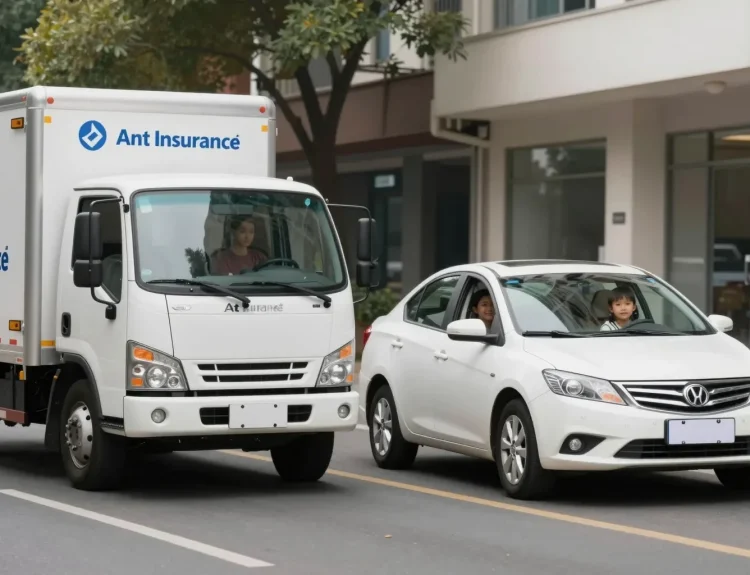
When it comes to auto insurance, understanding how trailers are covered can be somewhat complex. Whether you’re using a trailer for personal or commercial purposes, knowing the ins and outs of trailer coverage is crucial for ensuring adequate protection. Let’s delve into the various aspects of auto insurance as it pertains to trailers, including liability, comprehensive, and collision coverage.
Understanding Trailer Coverage
Trailer coverage under an auto insurance policy can vary significantly depending on the insurer and the type of policy you hold. Generally, liability coverage extends to a trailer when it is being towed by a covered vehicle. This means that if your trailer causes property damage or personal injury to others while being towed, your auto insurance policy may cover the damages, subject to your coverage limits.
Comprehensive and Collision Coverage
While liability coverage is often included, comprehensive and collision coverage for trailers are not automatically provided in standard auto insurance policies. Comprehensive coverage protects against non-collision-related incidents, such as theft or vandalism, while collision coverage pertains to damages resulting from accidents. To ensure your trailer is protected in these scenarios, you may need to add a policy endorsement specifically tailored for trailers.
Policy Endorsement and Premiums
A policy endorsement is an addition to your existing policy that extends coverage to your trailer. This typically involves an adjustment to your insurance premium, reflecting the added risk and protection. When seeking an endorsement, it’s essential to discuss the specifics with your insurer to understand what is and isn’t covered, as well as any potential exclusions.
Legal Requirements and Coverage Limits
Legal requirements for trailer insurance vary by jurisdiction. Some regions may mandate specific coverage types or limits, while others might not require any additional coverage beyond what your vehicle’s policy offers. It is crucial to familiarize yourself with the legal requirements of your area to ensure compliance.
Additionally, understanding your coverage limits is paramount. These limits dictate the maximum amount your insurer will pay for a covered claim. If the costs exceed these limits, you could be responsible for the difference. Choosing appropriate coverage limits is a balancing act between adequate protection and affordable premiums.
Deductibles and Claims
When it comes to claims involving trailers, the concept of a deductible is important. A deductible is the amount you pay out-of-pocket before your insurance coverage kicks in. Depending on your policy, you may have separate deductibles for your vehicle and trailer. Understanding these terms can help in planning for potential financial responsibilities in the event of a claim.
Road Usage and Towing
How you use your trailer can also affect your insurance coverage. If you frequently use your trailer for commercial purposes or heavy-duty towing, your insurance needs may differ from those using a trailer for occasional recreational purposes. Disclosing the primary use of your trailer to your insurer is crucial for accurate coverage.
Exploring Exclusions
Insurance policies often contain specific exclusions regarding trailers. Common exclusions may include damage from certain natural disasters, wear and tear, or usage outside the intended purpose. Being aware of these exclusions helps in understanding the protection your policy offers and identifies potential gaps that may need addressing.