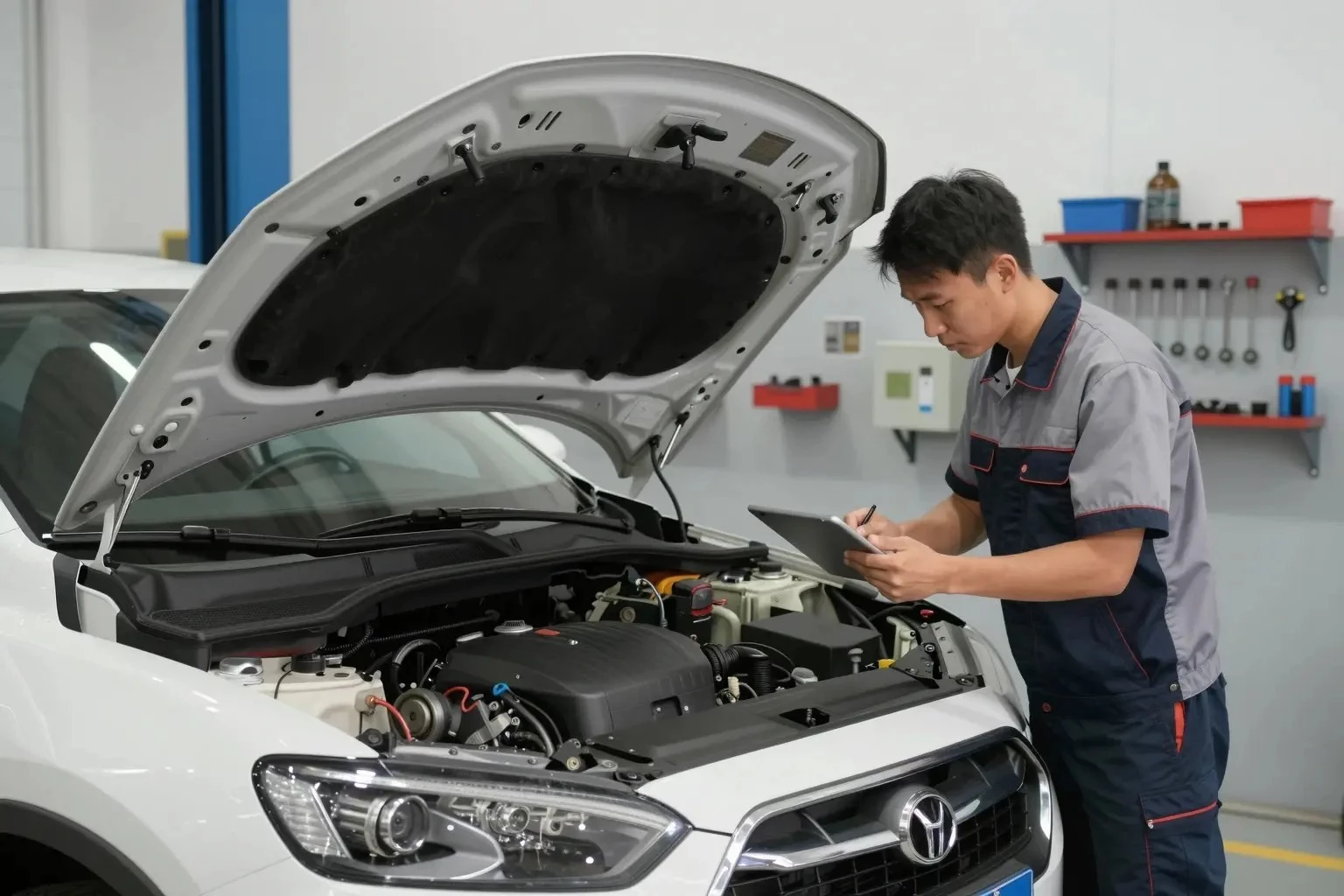
Auto insurance is an essential aspect of vehicle ownership, providing financial protection against various unforeseen events․ However, when it comes to mechanical failure, understanding what your auto insurance policy covers can be complex․ This article delves into the nuances of auto insurance coverage in relation to mechanical failures, highlighting key aspects such as policy terms, exclusions, and additional protection options․
Understanding Auto Insurance Coverage
Auto insurance typically includes several types of coverage: liability, comprehensive, and collision․ Each serves different purposes:
- Liability Coverage: Protects against damages you might cause to others in an accident․
- Comprehensive Coverage: Covers non-collision-related damages like theft, vandalism, or natural disasters․
- Collision Coverage: Covers damages to your vehicle resulting from a collision with another object or vehicle․
Mechanical Failures: Are They Covered?
Generally, standard auto insurance does not cover mechanical failures․ These failures typically result from wear and tear or lack of maintenance, which are not included in standard auto insurance coverage․ Instead, mechanical breakdowns are often covered under a vehicle’s warranty or through a mechanical breakdown insurance (MBI) policy․
Exclusions and Policy Terms
Insurance policies usually include specific exclusions regarding what is covered․ Mechanical failures such as engine or transmission breakdowns due to natural wear and tear are often excluded․ Insurance providers specify these exclusions in the policy terms and conditions, so it’s crucial to review them carefully․
Alternative Coverage Options
While auto insurance might not cover mechanical failures, other options are available:
Vehicle Warranty
New vehicles typically come with a manufacturer’s warranty that covers mechanical failures within a specified period or mileage․ This warranty often includes parts and service for vital components like the engine and transmission․
Mechanical Breakdown Insurance (MBI)
MBI is a separate policy that covers mechanical failures․ It functions similarly to an extended warranty but is offered by insurance providers․ MBI covers the cost of repairs and parts for mechanical issues, providing an extension of protection beyond the standard auto insurance policy․
Roadside Assistance
Some auto insurance policies offer roadside assistance as an add-on․ While it doesn’t cover mechanical repairs, it can help with towing, battery jump-starts, and other services when breakdowns occur․
Filing a Claim for Mechanical Issues
When dealing with mechanical failures, the process of filing a claim varies depending on your coverage․ For example, if you have MBI or a warranty, the claim typically involves contacting the insurance provider or vehicle manufacturer to initiate the process․
Understanding Deductibles and Premiums
Both MBI and warranties may require a deductible, a set amount paid out of pocket before coverage kicks in․ Additionally, opting for MBI will affect your insurance premiums․ Weigh these costs against potential repair expenses to determine if additional coverage is worth it․
Regular Maintenance and Prevention
Keeping your vehicle well-maintained is one of the best ways to prevent mechanical failures․ Regular maintenance not only ensures the longevity of your vehicle but also minimizes the risk of breakdowns that are not covered by insurance․
While standard auto insurance policies do not cover mechanical failures, options like warranties and mechanical breakdown insurance provide valuable protection for unexpected repairs․ Understanding the terms and conditions of your policy and the available alternatives is crucial for comprehensive vehicle protection․ Always review your insurance and warranty documents to ensure you have the coverage that best suits your needs․