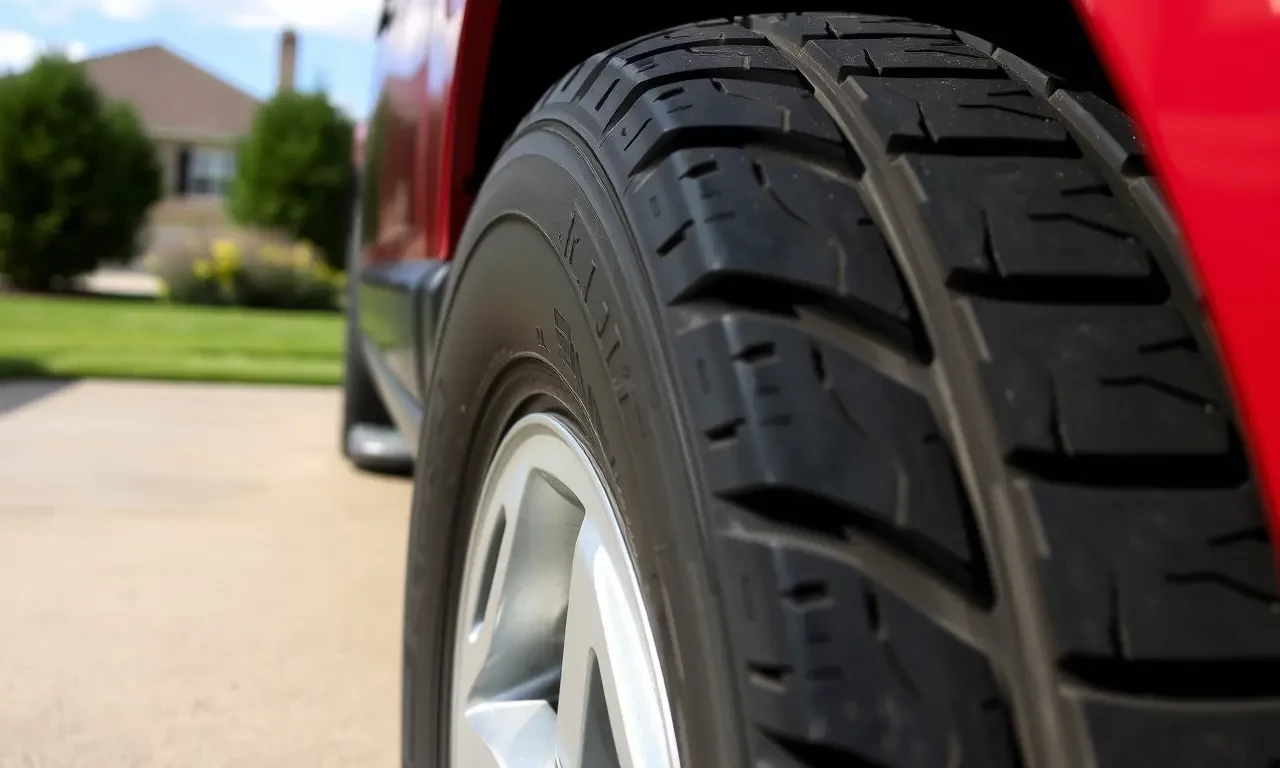
When it comes to understanding your auto insurance policy, one common question that arises is: “Does auto insurance cover tire damage?” This question is crucial, especially for drivers who want to ensure comprehensive protection for their vehicles․ In this article, we’ll explore the various aspects of tire damage and how different types of auto insurance coverage apply to it․
Types of Auto Insurance Coverage
Auto insurance policies typically consist of several types of coverage, each designed to protect against different risks․ The main types include:
- Liability Coverage: Covers damages you cause to others in an accident․
- Collision Coverage: Pays for damages to your car resulting from a collision․
- Comprehensive Coverage: Covers non-collision-related damages, such as theft or natural disasters․
Understanding these types of coverage is essential in determining whether tire damage is covered by your policy․
Collision Coverage and Tire Damage
Collision coverage typically comes into play if your tires are damaged due to an accident․ For instance, if you hit a pothole or curb that results in tire damage, your collision coverage may help pay for the repair costs․ However, it’s important to remember that you will need to pay your deductible before the insurance provider covers the remaining expenses․
Comprehensive Coverage and Tire Damage
Comprehensive coverage could potentially cover tire damage that is not related to a collision․ Examples include tire damage caused by vandalism or natural disasters․ Like collision coverage, comprehensive coverage involves a deductible that must be met before the insurance kicks in․
Exclusions and Limitations
While collision and comprehensive coverages may apply in certain situations, there are often exclusions in auto insurance policies regarding tire damage․ One of the most common exclusions is wear and tear; Regular tire maintenance and replacement due to normal usage are generally not covered; Moreover, if a flat tire occurs due to improper maintenance, such as low air pressure, it might not be covered․
Additional Options: Roadside Assistance and Wheel Protection
Many insurance providers offer roadside assistance as an optional add-on to your policy․ This can be invaluable if you experience a flat tire on the road․ Roadside assistance may cover tire changes, towing, and other services that can help you get back on the road quickly․
In addition, some insurers offer wheel protection plans that specifically cover tires and rims against various forms of damage․ These plans can include benefits like free tire replacement and repair services, making them a worthwhile consideration for drivers concerned about tire damage․
Filing a Claim for Tire Damage
If your tires are damaged and you’re considering filing a claim, it’s important to evaluate the situation carefully․ The first step is to assess the repair costs compared to your deductible․ If the repair costs are lower than the deductible, it may not be worth filing a claim․ However, if the damages are significant, contacting your insurance provider to discuss your options is a prudent step․
Preventive Measures and Maintenance
While insurance can offer protection, taking preventive measures is always beneficial․ Regular maintenance of your tires—such as checking tire pressure, alignment, and rotation—can help prevent unnecessary damage․ Investing in quality tires and ensuring they are suitable for your driving conditions can also reduce the risk of damage․