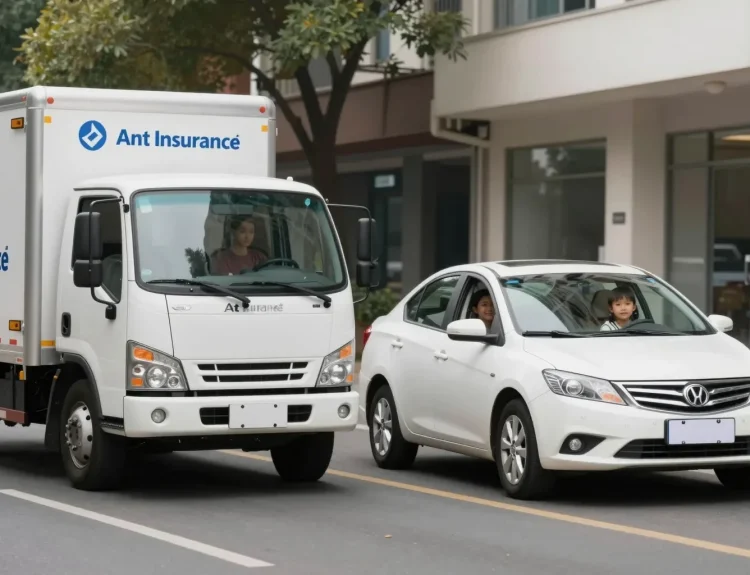
When it comes to driving in Wisconsin, understanding the state’s auto insurance requirements is crucial for all drivers. Auto insurance is not just a financial safety net; it is a legal necessity. This article will explore the mandatory auto insurance requirements in Wisconsin, including liability coverage, financial responsibility, and the various options available to drivers.
Wisconsin’s Auto Insurance Laws
Wisconsin state law mandates that all drivers must carry auto insurance. This requirement is a critical aspect of ensuring financial responsibility and protecting all road users in the event of an accident. The law is designed to minimize the financial impact of auto accidents on drivers and to provide compensation for damages and injuries.
Liability Coverage: The Core of Wisconsin’s Insurance Requirements
Liability coverage is the cornerstone of Wisconsin’s mandatory auto insurance requirements. This type of insurance is designed to cover damages and injuries that a driver might cause to others in an accident. Wisconsin’s state law specifies minimum requirements for liability coverage, which include:
- Bodily Injury Liability: A minimum of $25,000 per person and $50,000 per accident.
- Property Damage Liability: A minimum of $10,000 per accident.
These minimum requirements ensure that drivers have some level of protection against the financial consequences of accidents.
Uninsured Motorist Coverage
In addition to liability coverage, Wisconsin requires drivers to carry uninsured motorist coverage. This is crucial for protection against drivers who do not have insurance. The minimum requirements for uninsured motorist coverage are:
- Bodily Injury: $25,000 per person and $50,000 per accident.
This coverage ensures that if you are involved in an accident with an uninsured driver, you are still covered for bodily injuries.
Proof of Insurance and Vehicle Registration
Wisconsin law requires drivers to carry proof of insurance at all times. This proof must be presented during vehicle registration, and failure to provide it can result in penalties. The proof of insurance should clearly show that the driver meets the state’s minimum insurance requirements.
Penalties and Enforcement
The state enforces its auto insurance laws strictly. If a driver is found without valid insurance or fails to provide proof of insurance when required, they could face several penalties. These include fines, suspension of driving privileges, and even vehicle registration suspension. These enforcement measures underscore the importance of maintaining continuous and adequate insurance coverage.
Coverage Options Beyond the Minimum
While the state mandates minimum coverage, drivers in Wisconsin have the option to purchase additional coverage for better protection. These options include:
- Collision Coverage: Covers damage to your own vehicle in the event of an accident.
- Comprehensive Coverage: Protects against non-collision-related damages such as theft or natural disasters.
- Medical Payments Coverage: Covers medical expenses for you and your passengers.
- Underinsured Motorist Coverage: Offers protection if the other driver’s insurance is insufficient to cover the damages.
These additional coverages can increase your premium but provide more comprehensive protection against various risks.
Premium Costs and Insurance Providers
The cost of auto insurance premiums in Wisconsin varies based on several factors, including the driver’s age, driving history, and the type of vehicle. Insurance providers in the state offer a range of policies and premiums to suit different needs and budgets. Shopping around and comparing quotes from multiple providers can help drivers find the best coverage at the most affordable rate.
The Role of Drivers in Maintaining Legal Compliance
Ultimately, the responsibility of maintaining adequate auto insurance lies with the drivers. Staying informed about the legal requirements and available coverage options is essential for compliance and financial protection. In the event of an accident, having the right policy can make a significant difference in managing the aftermath.